Funeral Planning
What Goes in a Funeral Programme? The Order of Service Explained
A funeral programme guides everyone through the service and becomes a keepsake long after the burial. When it is clear and complete, the day runs smoothly: the choir knows when to sing, speakers know when to stand, and mourners can follow along.
Here is what a funeral programme usually contains, in the order most families use.
1. The cover
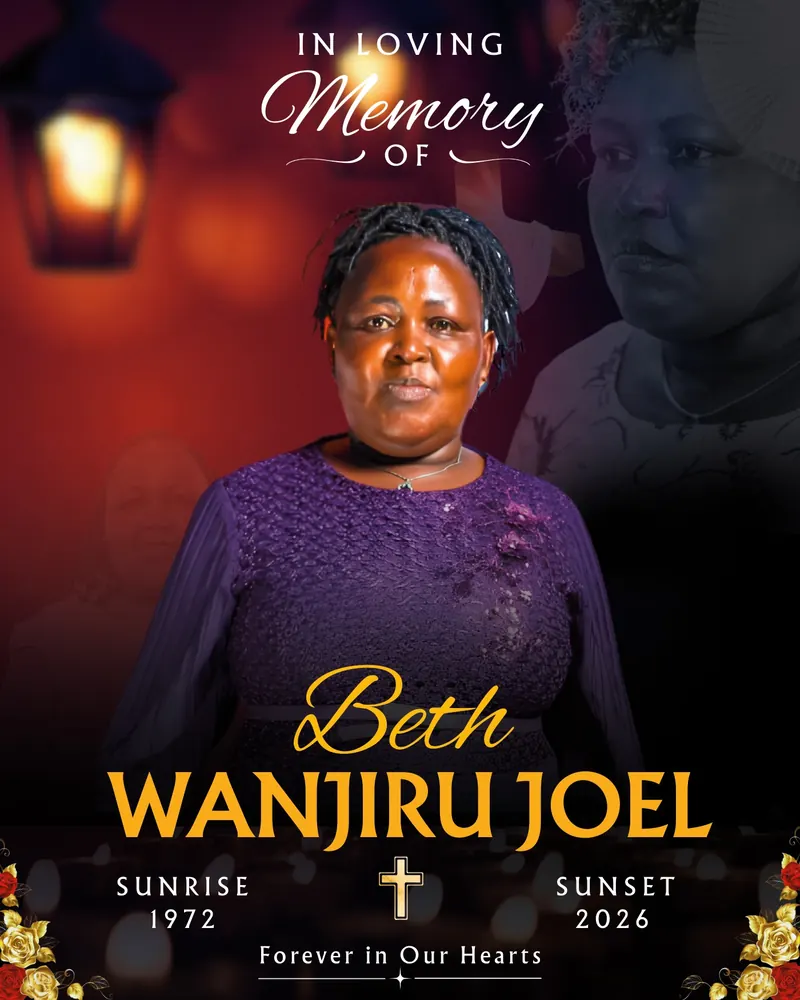
The cover introduces the person with dignity:
- A clear portrait
- Their full name and the name they were known by
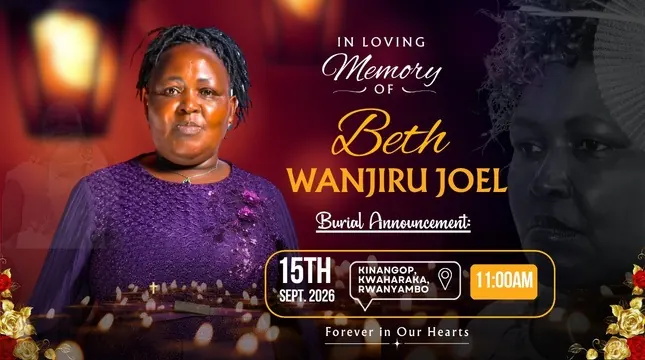
- Dates of birth and death (often written as sunrise and sunset)
- A short line such as In Loving Memory or Celebrating the Life of
- A favourite Bible verse or saying, if the family wishes
2. Service details
Near the front, list the practical details: the date, the time, the venue of the funeral service and the place of burial. If there is a cortège or a reception afterwards, say where and when.
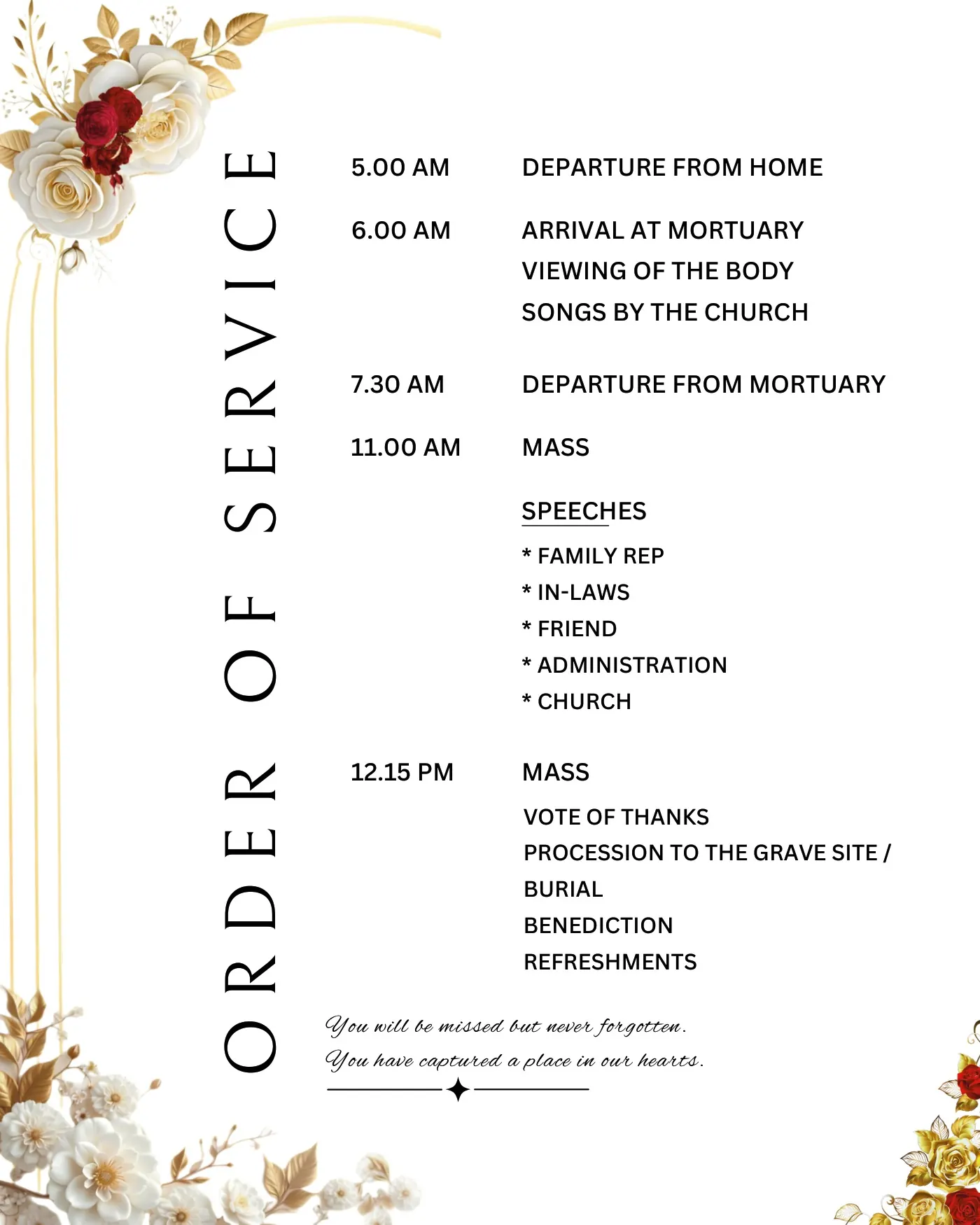
3. The order of service
This is the core of the programme. A typical order of service in a Kenyan church funeral looks like this, though every church and family adapts it:
- Procession and opening hymn
- Opening prayer
- Hymns and choir presentations
- Scripture readings
- The eulogy (life story)
- Tributes from family, colleagues and friends
- Sermon
- Words from the family and the funeral committee
- Closing hymn, prayer and benediction
- Departure for the burial
Write the name of each speaker, reader or choir beside their item. Confirm the order with the officiating minister before it goes to print; it is the detail that most often changes.
4. Hymns and readings
Print the full words of each hymn so everyone can sing. Check the verse numbers against the hymn book your church uses, and the language (English, Kiswahili or mother tongue). For readings, print the reference, and the full passage if the family wants it.
5. The eulogy
The life story is usually the longest part of the programme. If you are still writing it, our guide on how to write a eulogy takes you through it step by step.
6. Tributes
Tributes are short messages from the people closest to the deceased: spouse, children, grandchildren, siblings, colleagues and church groups. Ask each contributor for their name and relationship, and agree a word limit so the booklet stays balanced. Around 150 to 250 words each works well.
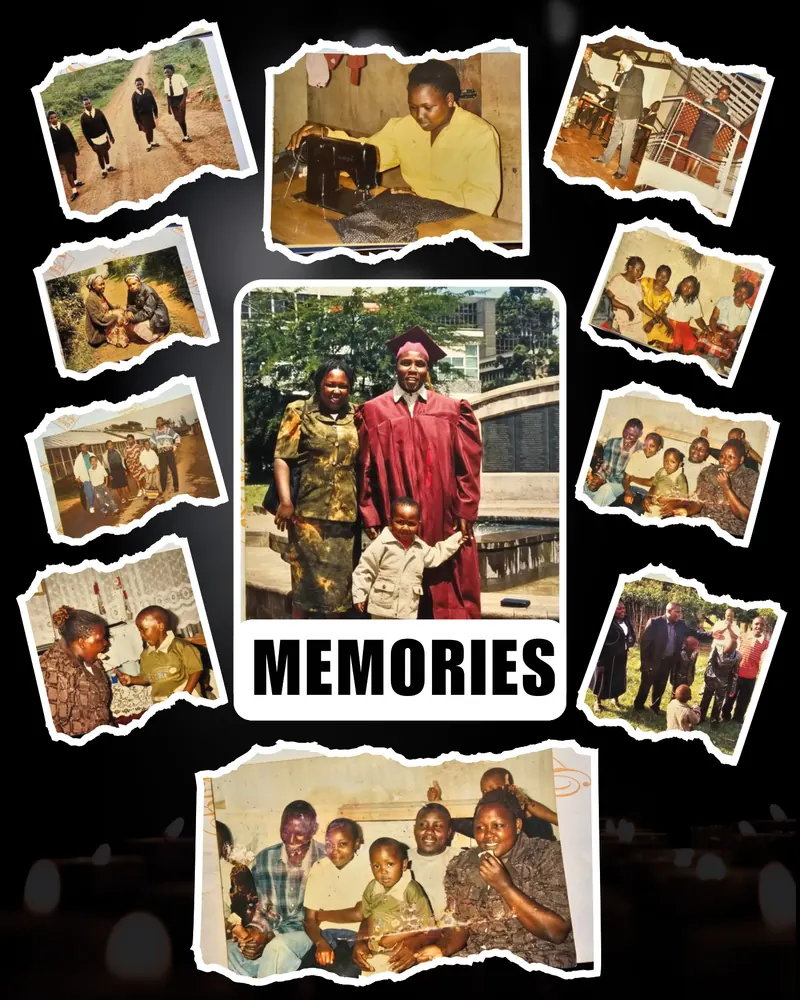
7. Photographs
A page or two of photographs, from childhood to the final years, is often the part people look at first. Choose clear photos, write a short caption for each, and include family groups so relatives can find themselves.
8. Acknowledgements and closing
End with a thank-you from the family to everyone who supported them: the church, the funeral committee, doctors and carers, friends and neighbours. Many families close with a short prayer, a poem or a final farewell line.
A funeral programme checklist
Before you print, check that:
- Every name and date is spelled and written correctly
- The order of service matches what the minister and committee agreed
- Hymn numbers, verses and readings are correct
- All tributes are included, with names and relationships
- Contact or contribution details, if any, are accurate
How long should a funeral programme be?
A simple programme can fit on a folded sheet, but most families now choose a booklet of 12 to 20 pages, which leaves room for the eulogy, tributes and photographs. You can compare what each size includes in our eulogy booklet packages.
The Hub Design Studio designs funeral programmes and memorial booklets with a structured review, so names, dates and hymn verses are checked before anything is printed. Tell us your burial date on WhatsApp and we will share samples and next steps.